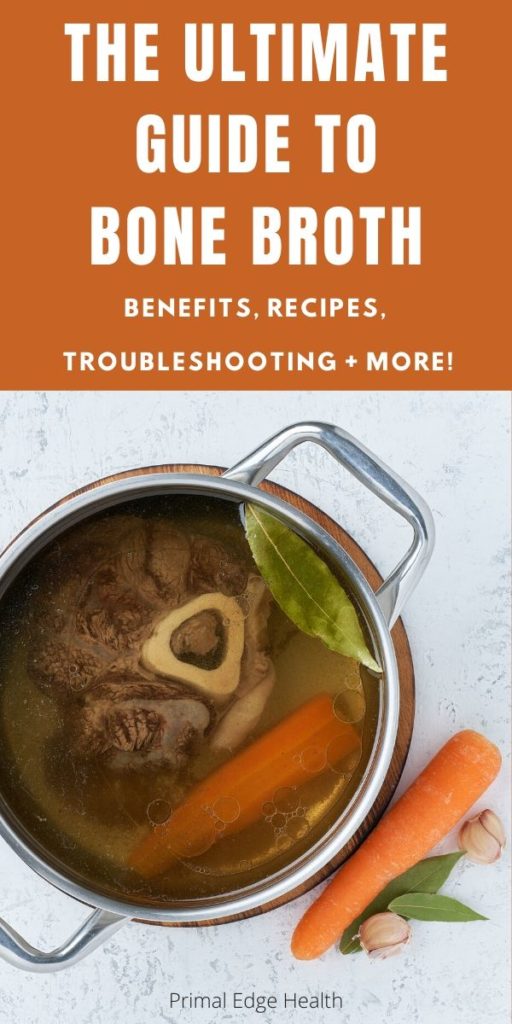
The Ultimate Guide to Bone Broth
As an Amazon Associate, I earn from qualifying purchases.


Bone broth is one of the most deeply nourishing foods you can make affordably and from scratch at home. In traditional cooking methods, bones are never wasted; they are recognized as important ingredients that make the foundation of good soup.
Use broth to add a deep savory flavor to soups, stews, and sauces. You can even sip a cup of broth to warm up and recharge. There is a South American proverb that says, “Good broth will resurrect the dead.” From South America to Europe to Asia, ancient folk wisdom promotes broth as an important healing food. Chicken, beef, lamb, turkey, and pork broths are all very restorative!
Jump To:
What is the Difference Between Bone Broth and Stock?
Broth, stock, and bone broth – is there a difference between them? Which one is best?
All forms use a combination of water, meat, and/or bones, usually adding vegetables and herbs for extra flavor. The process of all three is similar: simmer all ingredients together in a pot for many hours, cool the liquid, and strain to separate. However, bone broth takes the longest to prepare, usually requiring 12 to 24 hours of boiling.
So, what’s the difference between broth, bone broth, and stock? Let’s break them down one by one.
Broth
Broth is made primarily with meat, and it may include a small number of bones. The cooking process is relatively short, usually ranging from 45 minutes to 2 hours. This method produces a watery liquid that is high in protein and has a mild flavor, which makes it a versatile base for soups and other dishes.
Stock
Stock is made predominantly with bones, often with a small amount of meat added. It is simmered for a moderate amount of time, typically between 3 to 4 hours. This process extracts minerals and gelatin from the bones, resulting in a richer, more flavorful liquid than broth.
You can make stock out of pretty much any animal bones. This also makes it a great way to avoid wasting unused parts of the meat. For example, you can make fish stock out of fish bones and a little bit of vegetables when you’re done separating the meat.
Bone Broth
Bone broth is created by simmering bones, sometimes with a small amount of meat, for an extended period of time, usually between 12 to 24 hours. This lengthy cooking process yields a nutrient-dense liquid, often with a jello-like consistency due to the high content of amino acids, gelatin, and collagen.
Bone broth is considered a superfood for its rich nutritional profile and its potential health benefits. It also usually contains various vegetables, spices, and herbs, which add even more nutritional value.
Bone Broth Nutritional Information
Bone broth is a low-calorie, protein-rich food that can be suitable for most diets, whether that be low-carb, high-protein, or just a normal diet. For more context, here’s key nutritional information about beef bone broth from the USDA:
| Serving size | 1.5 cups |
| Calories | 71kcal |
| Fat | 3.02g |
| Carbohydrates | 0g |
| Protein | 10g |
| Calcium | 21.3mg |
| Sodium | 124mg |
What Are the Benefits of Bone Broth?
There is a slew of health benefits of bone broth. With so much nutrient density in every batch, broth is not only warm and comforting, but it can help you feel good too.
Bone broth is a traditional food served for boosting immunity and warding off colds, flu, and infections. It’s a staple food in many Asian cuisines and medicinal practices, like in China where they use bone broth for healing purposes. According to New York Times, bone broth is a newer trend in the Western world, but it has been around for centuries. Did you know bone broth for dogs is also good?
Grass-fed bones are of a higher nutritional value and therefore will be of better nutritional quality. I recommend using grass-fed bones, organic, free-range, or pasture-raised material whenever possible. Similarly, when using ready-made bone broth, choose brands that use high-quality and organic ingredients.
This liquid gold contains minerals like calcium, magnesium, and phosphorous as well as sulfur, potassium, and sodium in trace amounts. According to nutritionist and chef Abbie Gellman, bone broth also contains vitamins like Vitamin A and K12. There are other important nutrients in broth too:
- Gelatin: Gelatin, derived from collagen, is a powerful digestive aid that helps soothe the gut lining and improve nutrient absorption. It plays an important role in promoting the healing of the digestive tract, which is particularly beneficial for people with gut issues or digestive disorders.
- Glycine: The amino acid glycine supports the formation of strong collagen networks, which are vital for healthy skin, joints, and tissues. It also contributes to glucogenesis, the production of glucose, and aids in the synthesis of other amino acids for overall cellular health.
- Proline: Proline is another key amino acid necessary for the strength and integrity of joints, bones, skin, and connective tissues. It supports collagen production for the health of tendons and cartilage and is also important for wound healing and tissue repair.
- Arginine: Arginine is an important amino acid known for its ability to reduce inflammation in the body. This anti-inflammatory action helps lower the risk of chronic diseases and supports general health. Arginine also plays a big role in immune function, wound healing, and the production of nitric oxide, which is vital for improving blood flow and maintaining heart health.
- Bone Marrow: Bone marrow is rich in stem cells, which are vital for regenerating and maintaining healthy tissues. These stem cells support the immune system, helping the body to fight off infections and illnesses more effectively.
How to Make Bone Broth
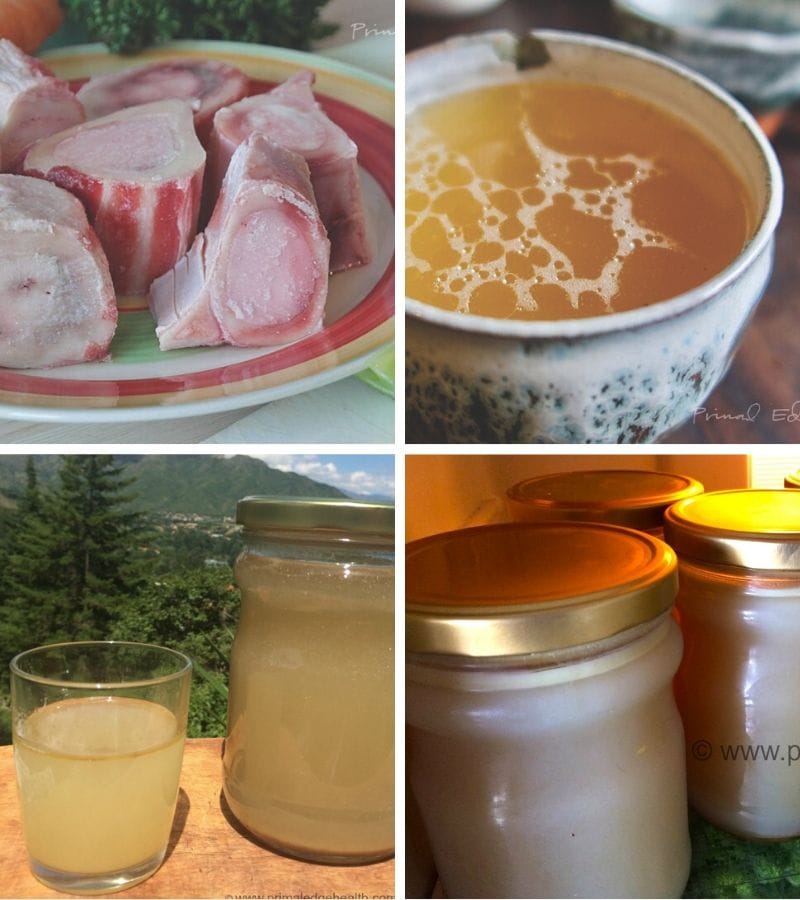
If the nutritional profile of broth catches your attention, the ease of preparation will sell you on making it yourself. Try one of these recipes and you’ll see just how simple homemade bone broth is!
- Traditional Homemade Bone Broth
- Slow Cooker Bone Broth Recipe
- Carnivore Diet Bone Broth Recipe
- Endless Beef Bone Broth Recipe
- Fish Stock
Are you a complete beginner to bone broth? While you’re here, here are some tips to make your first batch a success.
- Store properly: Refrigerate the broth for up to a week or freeze it in portions for longer storage. When refrigerated, the fat will solidify on top—this can be removed or stirred in for extra flavor.
- Choose quality bones: When buying bones, opt for high-quality, grass-fed, or organic bones to make sure the broth is nutrient-dense and free from harmful additives. You can find these at local butcher shops, farmers’ markets, or health-focused grocery stores.
- Use a variety of bones: Combine different types of bones, like knuckles, joints, and marrow bones, to get a rich, gelatinous broth.
- Roast the bones: Roasting the bones in the oven before simmering can add depth and richness to the flavor of your broth. Roast at 400F for about 30 minutes until browned.
- Add acid: A splash of vinegar or lemon juice helps extract minerals and collagen from the bones. Add it at the beginning of the simmering process.
- Simmer slowly: Cook the bones on low heat for a long time—12 to 24 hours for the best results. This slow simmer helps break down the collagen and releases nutrients into the broth.
- Skim the foam: As the broth simmers, foam may rise to the top. Skim it off to keep the broth clear and improve the taste.
- Include aromatics: Add onions, garlic, carrots, celery, and herbs like thyme and bay leaves to improve the flavor of the broth.
- Cool and strain: Once done, cool the broth and strain it through a fine mesh sieve to remove any solids, leaving you with a smooth, rich liquid.
How Often Should You Drink Bone Broth?
There is no minimum or maximum amount required. If you want to drink it every day, you can! You may prefer to cook with broth once a week and that’s great. If using it seasonally is best for you, that’s fine too.
If you are using broth for healing purposes, you may find that you enjoy it heavily for a specific period of time and then back off for a while, once symptoms are improved. The point is to get it in your body.
Dietitian Lindsey Wohlford says that bone broth can be beneficial for anyone who wants to promote muscle growth and recovery through increased protein intake. Since it contains sodium, magnesium, and potassium, it can also benefit people on a keto diet.
One of the worst things about starting keto is suffering through an imbalance of electrolytes (also called keto flu). Bone broth can help regulate your levels and mitigate the disadvantages of a keto diet.
According to Dr. Denise Millstine, bone broth is generally safe to consume in moderation as part of a nutrient-rich, omnivorous diet. She warns anyone with food allergies to check the label, though.
How to Use Bone Broth
Broths are great any time of the day, any season, and anywhere. They make a nourishing base for seasonal soups, stews, one-pot meals, and many more dishes.
As long as the savory flavor agrees with the desired taste profile of your recipe, you can use broth to replace water in any recipe. You can try these methods:
- Drink as tea, bone broth latte, or morning alternative to coffee
- Drink after a workout to replace electrolytes
- Add to keto soup recipes, sauces, and gravies
- Braise veggies and meats
- Use as a liquid for reheating food
New to bone broth and not sure how to incorporate it into your meals? Try some of these easy keto recipes with broth to get started:
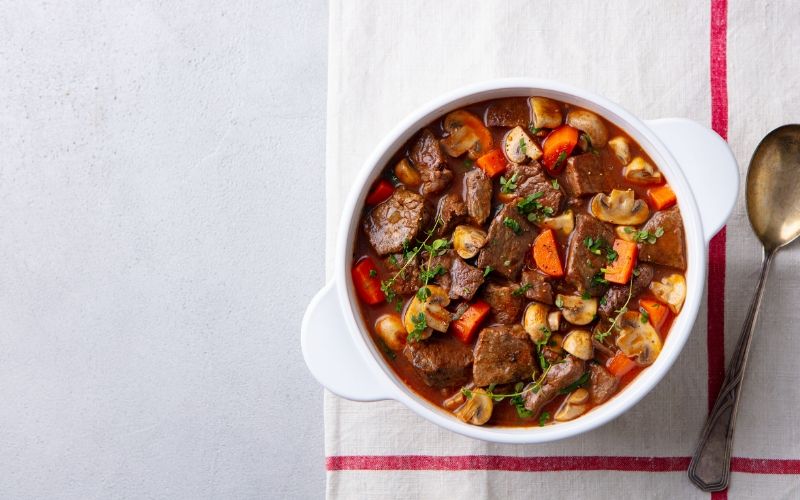
- Easy Slow Cooker Keto Beef Stew
- Homemade Soy-Free Soy Sauce
- Low-Carb Breakfast Lasagna
- Ground Beef Heart Burgers
- Avocado Bone Broth Soup
- Chicken Keto Curry with Pumpkin
- Coconut Cream of Pumpkin Curry Soup
- Keto Chicken Soup Recipes
- Easy Braised Green Cabbage
- Low-Carb Stuffing with Rosemary and Thyme
- Slow Cooked Organ Meat Stew
My low-carb cookbooks have many delicious broth-based recipes! Check them out; you might find your new favorite meals there!
Carnivore Bone Broth Recipes
Bone broth is known to help heal digestive conditions, brain fog, and joint pain, while a carnivore diet is extremely effective for autoimmune conditions and rapid fat loss. Carnivore diet success stories show a range of results from hormone regulation, improved mental health, decreased medication, and more. Combine the two forces together and your health will go to the next level!
Bone broth is a drink we include in our carnivore diet food list. This list is available for you to download for free and save on your device or print out at home.
Plus, bone broth is a very flavorful ingredient that can make dishes richer and tastier. Many carnivore diet recipes are delicious when broth is added!
- Braised Beef Shank
- Quick and Easy Egg Drop Soup
- Slow Cooked Organ Meat Stew
- Easy Slow Cooker Keto Beef Stew (with Carnivore Diet option)
Want to Buy Bone Broth Instead?
Making bone broth from scratch can take at least half a day. If you’re not ready to make bone broth at home yet or your life is too busy and you can’t find the time, buying bone broth is a great way to bring it into your life.
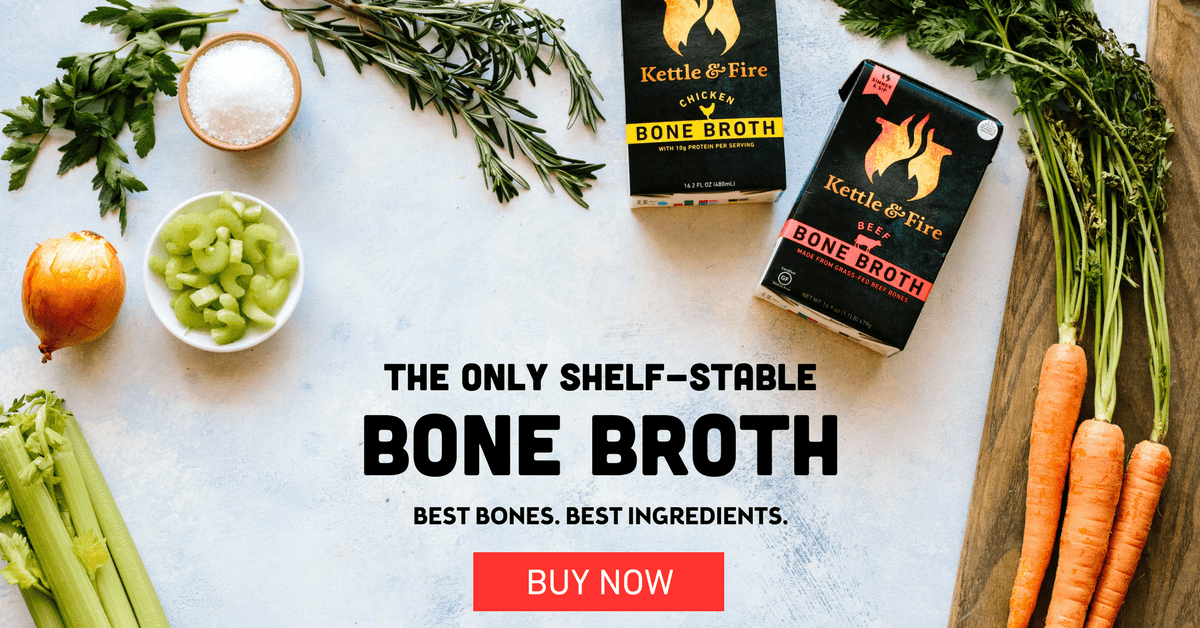
Kettle & Fire is an excellent place to buy beef and chicken broth made in the traditional manner using a long and slow simmer time. For example, their best-selling Beef Bone Broth is made from grass-fed beef bones, organic apple cider vinegar, and various organic herbs and spices. Plus, their ingredients are 100% organic and grass-fed!
Even if you make your own broth at home, I would still recommend checking them out. In addition to bone broth, they also have bone broth-based soups and flavored broths made for sipping. They also have low-salt options for people watching their sodium intake.
The best part about their broths is their genius packaging that protects the broth long-term at room temperature. You can easily store packs easily in the pantry or even take them with you on trips.
Want to try their products? Buy Kettle & Fire’s shelf-stable bone broth in bulk; it should be on your list of healthy pantry staples and storable low-carb keto emergency foods to keep stocked all the time.
Troubleshooting Bone Broth
Is your broth giving you trouble? Is it not coming out how you expected? There could be a few reasons why, so let’s troubleshoot bone broth together.
Bone broth won’t gel?
The most common reason that broth doesn’t gel is that too much water was used in proportion to the bones and therefore, the broth couldn’t reduce properly. Follow the recipe directions more carefully next time.
It’s also possible the broth was cooked at too high of a temperature or for too short of a time. Next batch, maintain a low simmer throughout and make sure to cook for the entire cooking time (chicken broth: 6-12 hours, beef broth: 18-24 hours).
The final thing to check is the type of bones you use. Some types add gelatin while others add flavor and color.
I recommend the picked carcass of 2 meat chickens or a combination of parts that include the necks, backs, wings, and feet. Knuckle bones, joints, the foot, and marrow bones are great for beef broth. You can ask your local butcher if they sell animal bones as they are so you won’t have to buy the whole thing.
In addition to using feet for broth, they are a Filipino favorite in this chicken feet adobo recipe. It’s great to snack on as a side to your bone broth!
Don’t dump the broth if it hasn’t gelled! It’s not a total failure and can be remedied by adding 1 tablespoon of grass-fed beef gelatin per 1 quart of liquid.
How long does bone broth last?
From experience, bone broth typically lasts up to five days in the refrigerator. If you want to make it last longer, put it in the freezer where it can stay usable for up to 12 months. I recommend freezing in smaller batches so you can take just what you need without having to thaw all of it.
Make sure to bring the broth to a boil when reheating your chilled or frozen bone broth. High heat should help kill any microorganisms.
How can you tell if bone broth has gone bad?
Fortunately, there’s no need to guess if the broth is spoiled or not. Broth gets a sour smell as soon as it spoils.
It may look the same but will smell off, so let your nose guide you. If it’s significantly past due, part of the liquid rises to the top and looks slimy, in addition to having a strong sour odor. There will be no doubt if your broth is good to eat or not.
Does your bone broth smell?
Yes? But how bad? If it smells like roadkill, you may have used bones that are too old. If this is the case, you probably caught on that something was off during the cooking process because it would get pretty stinky. Double-check the expiration date on the package next time you buy bones and make sure they come from a quality producer.
If the smell just wasn’t what you were expecting, that’s a different story. Compared to store-bought canned and boxed broths you might be used to, homemade bone broth is different.
Chicken broth usually smells like chicken soup and is slightly sweet. Beef broth is more often than not the one that challenges people’s olfactory receptors, however, the smell doesn’t translate into the flavor so it will still taste fine. You’ll get used to the cooking smells with time. For now, open a window and turn on the fan.
How to make broth taste good?
Did you come out with a boring broth? Try roasting the bones before simmering them next time. You can also sauté or roast the vegetables (carrot, celery, onion, garlic). Adding more fresh herbs (rosemary, thyme, oregano, bay leaves) will help brighten up the flavor too.
Even if the broth is on the bland side, it will still be good in recipes. Make a flavorful soup or stew instead of sipping the broth straight.
Is your bone broth too salty?
If your bone broth is too salty, try diluting it with water or unsalted broth to reduce the saltiness. Adding a raw, peeled potato while simmering can also help absorb some of the excess salt—just remove the potato before serving. Alternatively, balance the saltiness by adding more veggies or a splash of vinegar or lemon juice to improve the flavor without adding more salt.



Can I use my Ninja foodie pressure cooker to make bone broth? It takes a lot less time and I wasn’t sure if that is part of the process to have it cooking for hours.
An important point of making bone broth is cooking “long and low”. However, many people adapt bone broth to work with a pressure cooker. Some broth is better than no broth, so do what works for you 🙂
In Romanian there is a recipe called “piftie” which is made out of a pig’s leg and sometimes you can put half of a pig’s head. It is a recipe we usually make in winter and it is astoundingly nutritious, especially for cold weather.
Hi Jessica and Tristan,
I like meat and Greg doesn’t. I liked making bone broth but Greg couldn’t stand the smell of bones cooking to make the broth. Do you sell bone broth?
We are yin and yang that’s for sure. We are Married now for 47 years and direct opposites.
Thanks so much for what you do, see you both in town.
Reenie Esterlund
Sorry Reenie, I don’t sell it in town anymore. Maybe if you cook a batch, keep your window open and a fan or essential oil diffuser on 🙂
Really liked reading this information and links. It was helpful as now I know I was simmering at too high a temperature. Broth was good – but not much gelatin!