Red Meat and Performance with Stan Efferding
As an Amazon Associate, I earn from qualifying purchases.
Training hard is one thing. Recovering from it is the real test. A lot of people grind through workouts, stall out, and blame the program, when the bigger issue is what’s happening between sessions. Poor digestion, low appetite, under-eating protein, cutting salt, cutting red meat, and running on willpower instead of fuel.
Tristan Haggard sits down with Stan Efferding to talk about why red meat plays such a central role in performance nutrition and why so many athletes are underfed in the nutrients that actually drive recovery. Stan is an IFBB pro and powerlifter with a long track record of staying strong into his 50s. He lays out a simple framework that starts with a calorie surplus when you’re trying to gain, adequate protein, and enough carbohydrates to match workload.
Jump To:
Listen to the Episode Now
Click play on the podcast player below or watch the video on Youtube.
Meet the Guest
Stan Efferding is an IFBB professional bodybuilder and former world record powerlifter. He’s known as “The Rhino” and created the Vertical Diet, a performance-focused nutrition framework built around bioavailable foods, digestion, and consistency. In this episode, he shares what he’s learned from decades of competing, coaching athletes across sports, and watching what actually works when performance and recovery matter.
Connect with Stan on Instagram for updates or visit his website for more resources.
Episode Highlights
Stan breaks down the difference between fitness and health, and why competitive goals can push people into bad nutrition decisions. He calls out common mistakes in dieting culture, like eliminating red meat, fruit, dairy, and salt, then wondering why performance drops and deficiencies show up over time. He also explains why ruminant meat has a unique place in performance diets.
They also get practical about building muscle. Stan explains why training frequency and volume matter, why the 8 to 12 rep range tends to work well for hypertrophy, and why you still need to get close to failure to recruit enough muscle fibers. On the nutrition side, he shares a straightforward approach. Protein around a gram per pound for many people, fats as a baseline for health, and carbohydrates scaled to workload.
In this episode:
- How Stan thinks about cholesterol, triglycerides, and when a CAC scan can add clarity
- Hypertrophy training with smart frequency, volume, and progression
- Why carbohydrates can improve anaerobic performance and recovery for hard training
- Why digestion issues can derail weight gain and athletic output
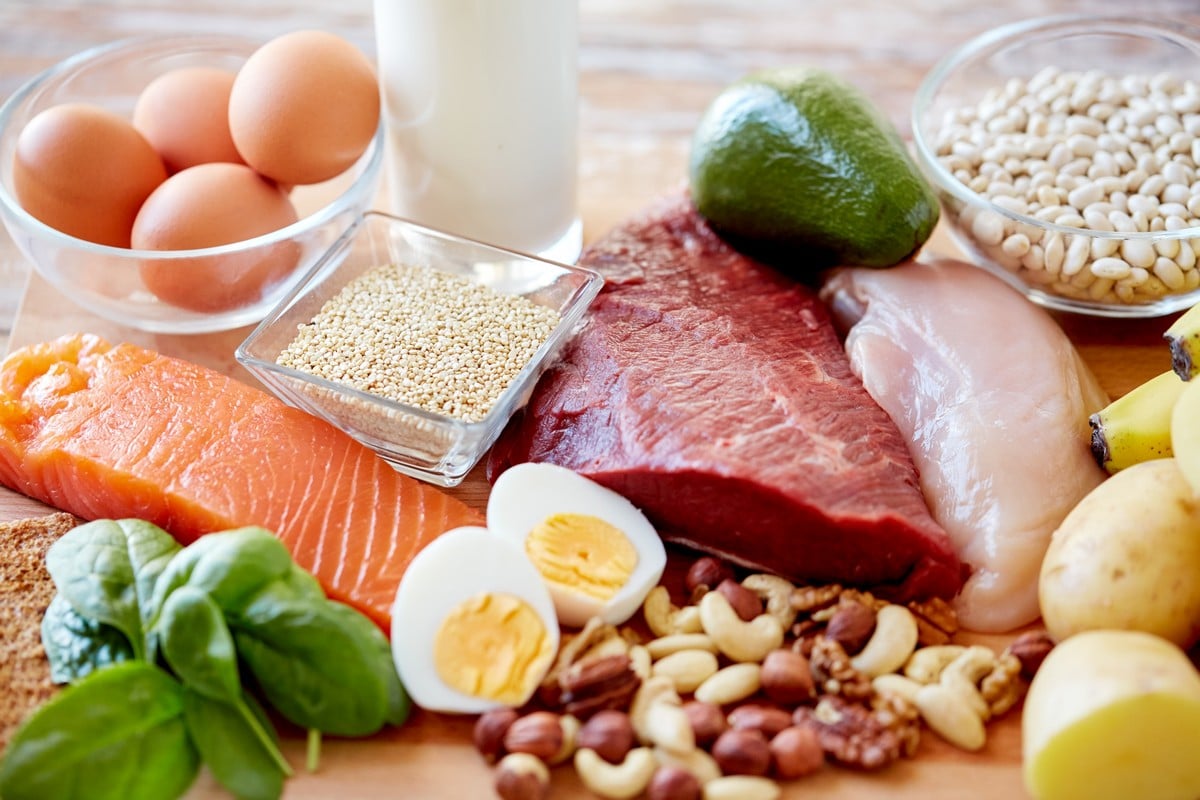
- Why red meat, eggs, and salmon form a micronutrient foundation for performance
Please subscribe and give a 5-star rating on your preferred podcast platform!



Meet Our Sponsor
This episode is brought to you by CHOQ. Choq is our first choice for natural supplements to positively impact energy, mood, and stress resilience throughout the day. Shop now and use our code BIG53LIFE for 53% off all subscriptions for life!

Disclaimer: These statements have not been evaluated by the Food and Drug Administration. The contents of this podcast are for informational purposes only and do not constitute medical advice. The content presented here is not intended to be a substitute for professional medical advice, diagnosis or treatment. Always seek the advice of a qualified healthcare provider with any questions you may have regarding a medical condition or dietary changes. Reliance on any information provided by this article is solely at your own risk.