Beef Meat Market Manipulation With Bill Bullard of R-Calf
As an Amazon Associate, I earn from qualifying purchases.
Beef prices keep rising at the grocery store, yet many ranchers are barely staying afloat. That disconnect is not accidental. Somewhere between the pasture and the checkout line, control shifts, and the people raising the cattle lose their seat at the table. This episode pulls back the curtain on how that happens and why it matters to anyone who eats beef.
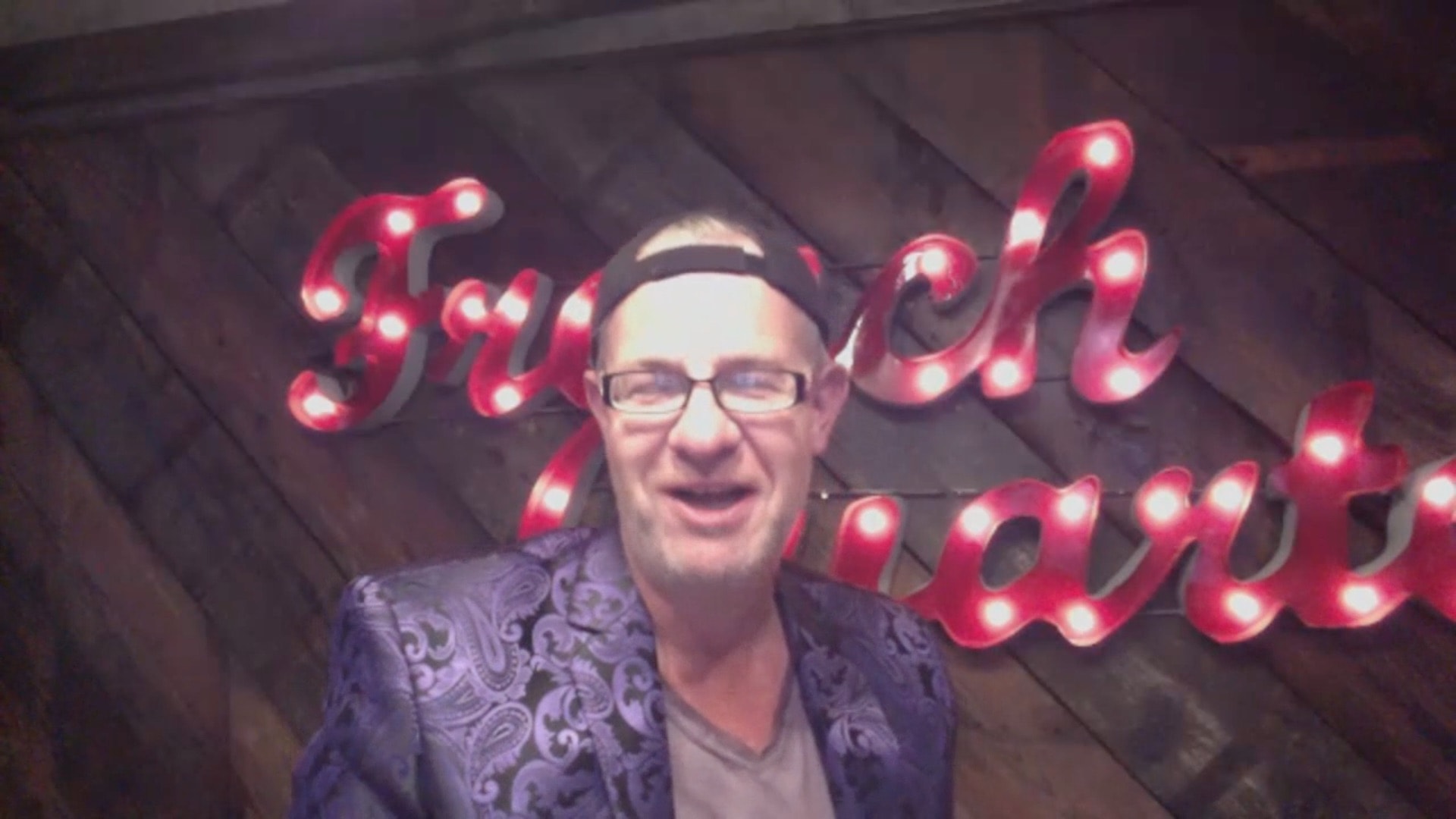
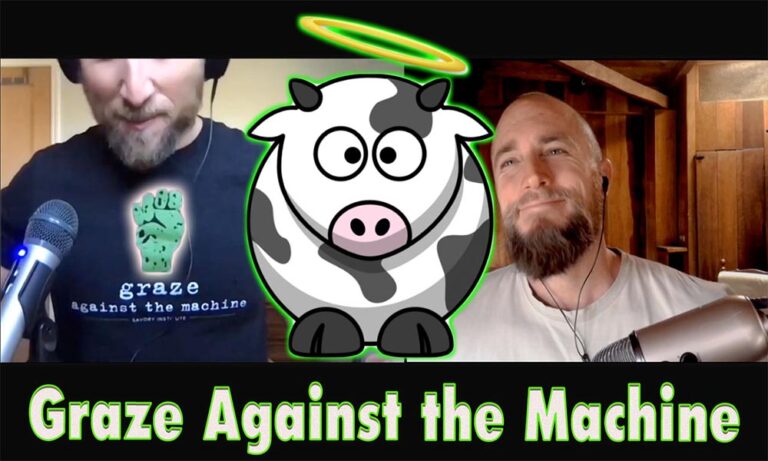
Tristan Haggard is joined by Bill Bullard of R-CALF to break down how consolidation, policy decisions, and market structures have reshaped the beef industry. What looks like a simple supply and demand issue is anything but simple. The rules governing beef production and pricing often favor massive corporations while squeezing independent ranchers and limiting real competition.
Jump To:
Listen to the Episode Now
Hit play on the podcast player below or watch the video on Youtube.
Meet the Guest
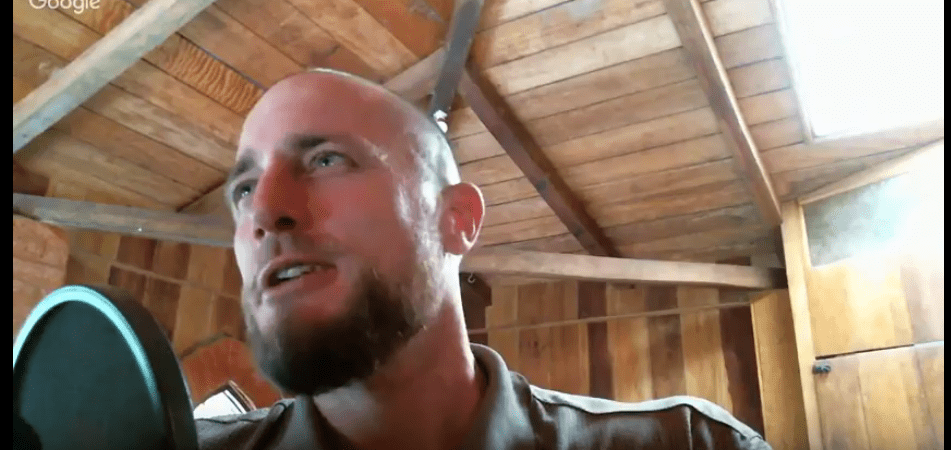
Bill Bullard is the CEO of R-CALF USA (Ranchers-Cattlemen Action Legal Fund United Stockgrowers of America), an organization that advocates for independent cattle producers across the United States. His role involves exposing how market manipulation, unfair trade practices, and consolidation in the meatpacking industry are harming American ranchers and threatening food sovereignty.
Connect with Bill on X, Facebook, and YouTube for updates and interviews, and visit the R-CALF USA website for more.
Episode Highlights
Bill explains how consolidation in the meatpacking industry has left only a handful of corporations controlling the majority of beef processing in the United States. When packers control processing capacity, they gain leverage over cattle prices paid to ranchers while maintaining higher margins downstream. This imbalance creates a system where producers take on the risk, but corporations capture most of the reward.
The conversation also digs into captive supply, formula pricing, and lack of price transparency. Bill outlines how alternative pricing arrangements reduce open market competition, making it harder for independent producers to negotiate fair prices. Even when beef demand is strong, ranchers may not see the benefit if prices are set behind closed doors rather than through true market discovery.
Tristan and Bill close by connecting the dots between food security, rural economies, and consumer choice. When independent producers disappear, options shrink. Fewer producers mean less resilience in the food system and more vulnerability to disruptions. Understanding how the beef market works is not just about ranchers. It affects food prices, quality, and long-term access for everyone.
In this episode:
- How meatpacking consolidation reshaped the beef industry
- Why ranchers earn less while beef prices rise
- What captive supply and formula pricing mean for producers
- How lack of transparency limits real competition
- The role of policy and trade in market manipulation
- Why independent ranchers matter for food security
Got questions? Drop a comment or reach out! We’d love to hear what you think or help you figure out your next step.

Please subscribe and give a 5-star rating on your preferred podcast platform!



Meet Our Sponsor
This episode is brought to you by CHOQ. Choq is our first choice for natural supplements to positively impact energy, mood, and stress resilience throughout the day. Shop now and use our code BIG53LIFE for 53% off all subscriptions for life!

Disclaimer: These statements have not been evaluated by the Food and Drug Administration. The contents of this podcast are for informational purposes only and do not constitute medical advice. The content presented here is not intended to be a substitute for professional medical advice, diagnosis or treatment. Always seek the advice of a qualified healthcare provider with any questions you may have regarding a medical condition or dietary changes. Reliance on any information provided by this article is solely at your own risk.