Veganism Causes Mental Illness with Dr. Natasha Campbell-Mc Bride
As an Amazon Associate, I earn from qualifying purchases.
Mental health is usually treated as a chemical problem or a genetic one. When anxiety, depression, or cognitive decline show up, the conversation almost always goes straight to medication or therapy. Food rarely enters the discussion in a serious way. That blind spot is exactly what this episode challenges.
In this conversation, Tristan Haggard sits down with Dr. Natasha Campbell-McBride, a neurologist and nutrition expert known for her work on gut health and brain function. Together, they take a hard look at vegan diets and why removing animal foods can have serious consequences for mental and neurological health.
Jump To:
Listen to the Episode Now
Click play on the podcast player below or watch the video on Youtube.
Meet the Guest
Dr. Natasha Campbell-McBride is a medical doctor with degrees in neurology and nutrition. She is the creator of the GAPS protocol and has spent decades working with patients suffering from neurological and psychiatric conditions. Her clinical experience centers on the connection between the gut, the brain, and nutrient-dense animal foods.
Connect with Natasha on Instagram, Facebook, and X for updates, and visit her personal website for more resources.
Episode Highlights
Dr. Natasha Campbell-McBride lays out her main point. People can live without plants, but they cannot live well without animal foods. She says veganism can look like it’s working at first because people often cut out sugar, flour, and junk, and they may feel a short-term boost. But over time, the body burns through stored nutrients, and bigger problems can show up, especially for kids and for anyone who was already struggling.
They also dig into the gut-brain link. Dr. Campbell-McBride explains how an unhealthy gut and a damaged gut lining can create compounds that affect the brain, and she connects that to learning and behavior issues in children. She says she’s seen many patients with serious mental health problems improve when they bring animal foods back in, and she argues that nutrient-dense animal-based foods give the body what it needs to rebuild.
If your mental health, digestion, or energy has been sliding while avoiding animal foods, this episode argues it’s worth taking a hard look at the diet and rebuilding with more nutrient-dense animal-based meals.
In this episode:
- Why the brain depends on animal fats and nutrients
- How vegan diets can contribute to anxiety and depression
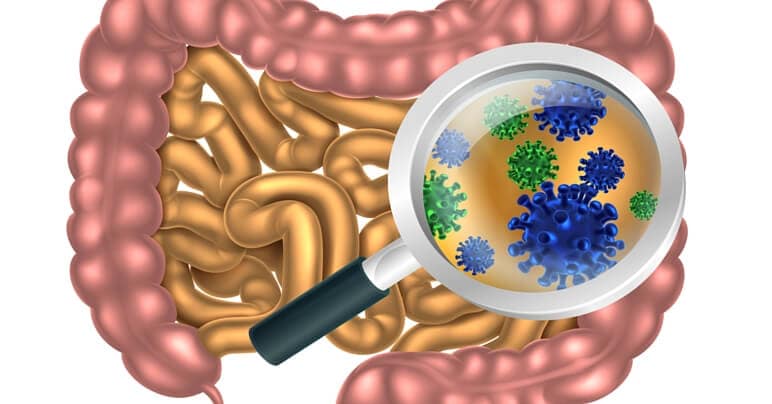
- The gut-brain connection and mental health
- Why children and pregnant women are especially vulnerable
- How reintroducing animal foods can support recovery

Please subscribe and give a 5-star rating on your preferred podcast platform!



Meet Our Sponsor
This episode is brought to you by CHOQ. Choq is our first choice for natural supplements to positively impact energy, mood, and stress resilience throughout the day. Shop now and use our code BIG53LIFE for 53% off all subscriptions for life!

Disclaimer: These statements have not been evaluated by the Food and Drug Administration. The contents of this podcast are for informational purposes only and do not constitute medical advice. The content presented here is not intended to be a substitute for professional medical advice, diagnosis or treatment. Always seek the advice of a qualified healthcare provider with any questions you may have regarding a medical condition or dietary changes. Reliance on any information provided by this article is solely at your own risk.