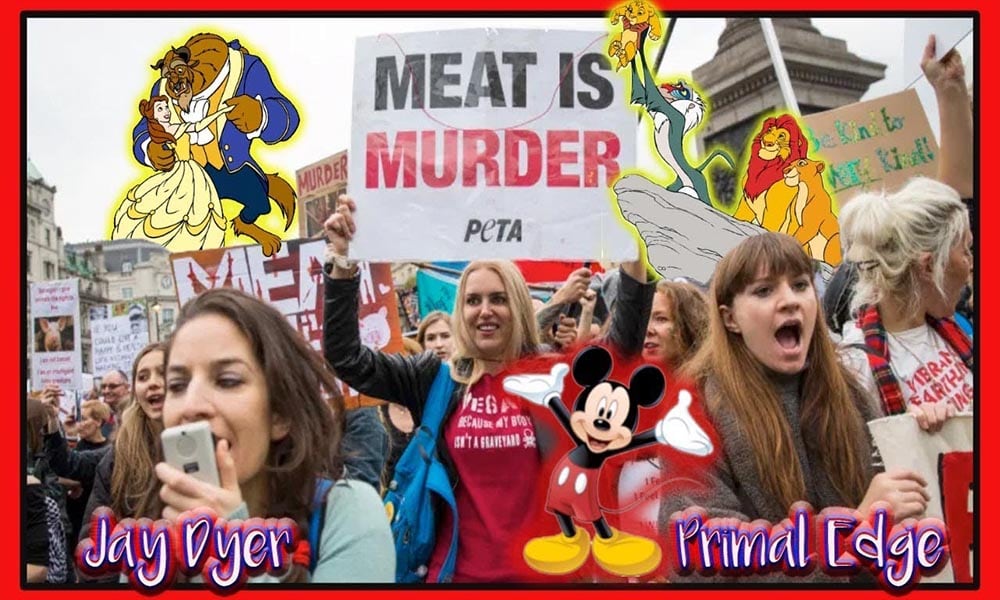
Social Engineering & Food with Jay Dyer
As an Amazon Associate, I earn from qualifying purchases.
Food choices rarely start at the dinner table. Long before people argue about nutrition, ethics, or sustainability, the boundaries are already set. This episode looks at food through a wider lens and asks a harder question. Who benefits when entire populations are pushed away from traditional diets?
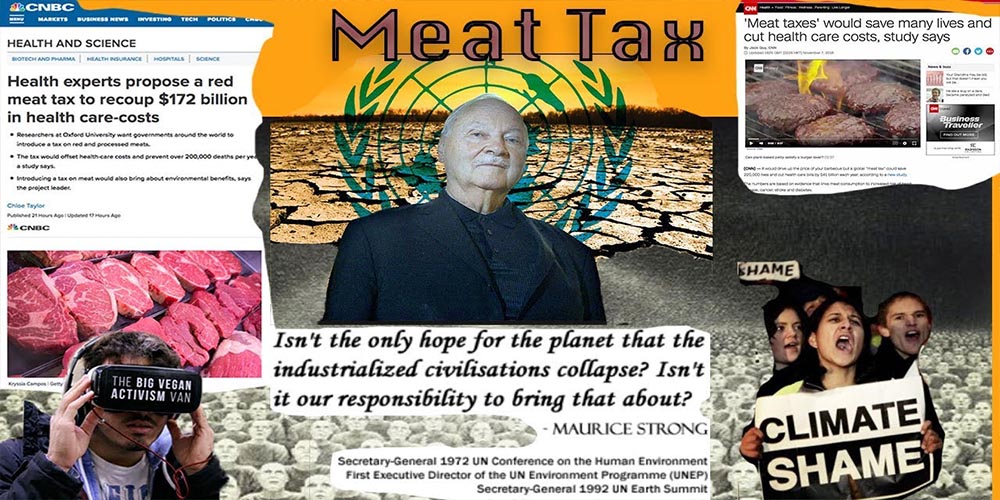
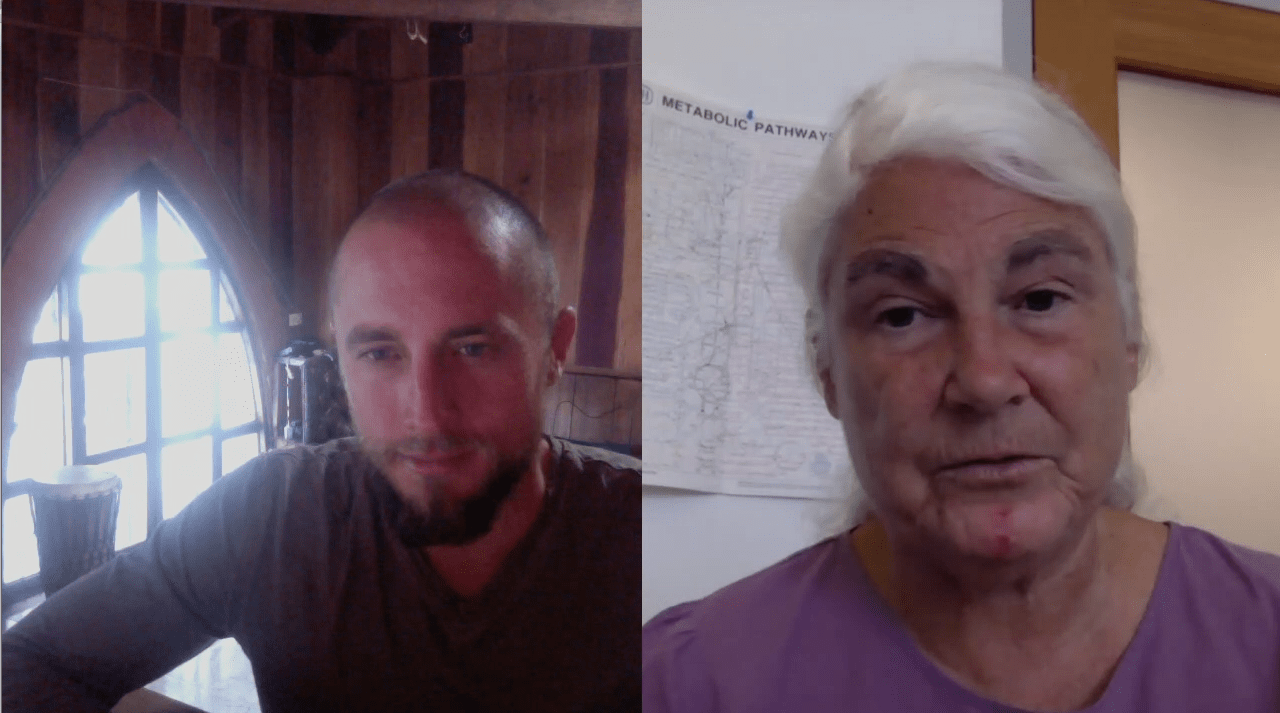
Tristan sits down with Jay Dyer to examine how food systems, dietary narratives, and modern nutrition movements can function as social engineering tools. They explore how ideas around plant-based eating, meat restriction, and synthetic food replacements are rarely neutral. Instead, these narratives often show up alongside efforts to manage populations, reshape cultural values, and steer what people see as acceptable.
Jump To:
Listen to the Episode Now
Click play on the podcast player below or watch the video on Youtube.
Meet the Guest
Jay Dyer is an author, speaker, and researcher known for his work on philosophy, geopolitics, media analysis, and cultural engineering. He examines how institutions shape belief systems through education, entertainment, and policy, often in ways that go unnoticed until their effects become unavoidable.
Connect with Jay on YouTube and X for updates, and visit his personal website for more.
Episode Highlights
Jay and Tristan dig into historical examples showing how food access has long been used to separate classes and maintain control. From ancient philosophy to modern economic theory, limiting access to meat and other nutrient-dense foods has often been framed as moral, necessary, or inevitable. In practice, they argue this can weaken populations physically and psychologically while consolidating power elsewhere.
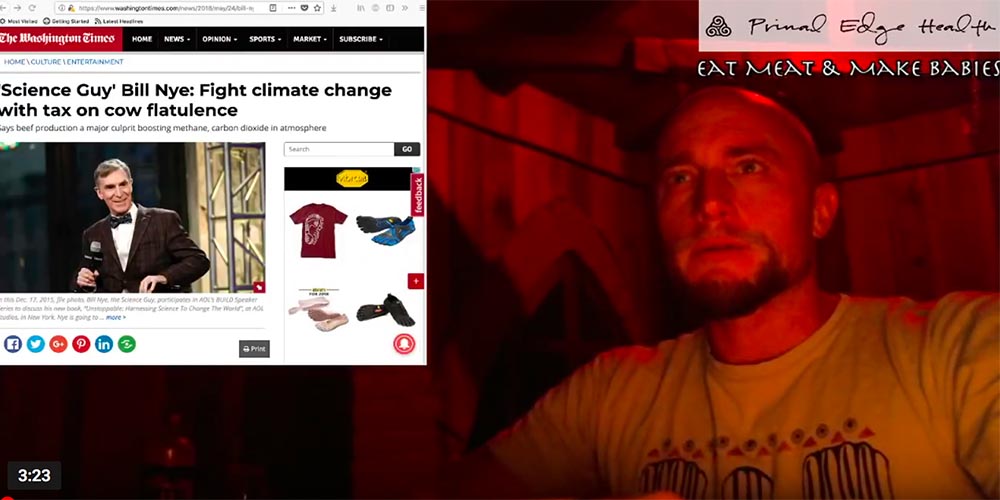
They also examine how modern dietary ideologies can mirror these older patterns. Movements that promote extreme restriction or universal plant-based eating are rarely just about health. Jay explains how these narratives often align with population control theories, industrial food interests, and centralized planning. When food gets abstracted into substitutes, powders, and lab products, people can lose not only nourishment but autonomy.
The conversation closes by tying food back to worldview. What you eat influences how resilient you are, how clearly you think, and how willing you are to question authority. Diet is not separate from culture, ethics, or freedom.
In this episode:
- How food has historically been used to manage populations
- Why meat restriction often follows class-based control models
- The link between dietary ideology and centralized power
- How modern food substitutes change human behavior
- Why real food supports independence and resilience
Got questions? Drop a comment or reach out! We’d love to hear what you think or help you figure out your next step.



Please subscribe and give a 5-star rating on your preferred podcast platform!



Meet Our Sponsor
This episode is brought to you by CHOQ. Choq is our first choice for natural supplements to positively impact energy, mood, and stress resilience throughout the day. Shop now and use our code BIG53LIFE for 53% off all subscriptions for life!

Disclaimer: These statements have not been evaluated by the Food and Drug Administration. The contents of this podcast are for informational purposes only and do not constitute medical advice. The content presented here is not intended to be a substitute for professional medical advice, diagnosis or treatment. Always seek the advice of a qualified healthcare provider with any questions you may have regarding a medical condition or dietary changes. Reliance on any information provided by this article is solely at your own risk.