I Was Wrong About The Carnivore Zero Carb Diet
As an Amazon Associate, I earn from qualifying purchases.
Some ideas feel unshakable until real life proves otherwise. Tristan spent years confident that dropping carbs made sense but going fully plant-free did not. It took personal experimentation, unexpected improvements, and watching countless clients thrive for that belief to crack.
This episode breaks down how that shift happened. It covers his early conversations with cancer survivor Andrew Scarborough, why he resisted the idea of zero carb in the first place, and the moment he realized his own body functioned better without plant foods.
Jump To:
Listen to the Episode Now
Click play on the podcast player below or watch the video on Youtube.
Meet the Host
Tristan Haggard is the voice behind the Primal Edge Health podcast. He’s helped thousands find health through nutrient-dense eating, keto, and carnivore diets by focusing on real food, simple habits, and a holistic approach to wellness. He’s also into homesteading and raising his family with a back-to-basics lifestyle.
Connect with Tristan on X.
Episode Highlights
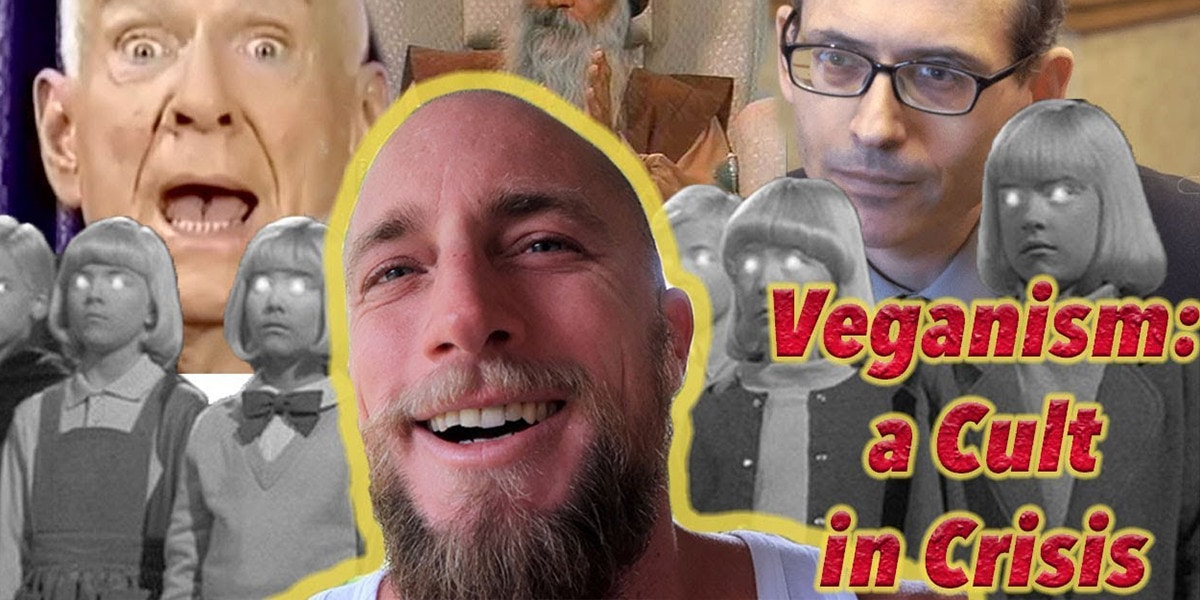
This conversation digs into the long road from veganism to keto to a fully carnivorous approach. Tristan shares the early influences that shaped his thinking, the pivotal moments that challenged his assumptions, and the real world results that changed his mind. He also talks about the clients who naturally drift toward a plant-free diet once they simplify their nutrition and pay attention to how they actually feel.
You’ll hear the history behind therapeutic low-carb diets, personal stories from people who used zero-carb protocols under extreme circumstances, and why many of the fears surrounding an all-meat diet don’t line up with real-life outcomes. It’s an honest look at how beliefs evolve when experience hits harder than theory.
In this episode:
- The personal reflection required to question long held nutrition ideas.
- How a conversation with a cancer survivor first opened the door to the idea of zero carb eating.
- What early ketogenic nutrition taught Tristan about seizures, brain health, and metabolic therapy.
- Why some people react strongly to plant compounds and feel better without them.
- How years of coaching revealed patterns in clients who thrive on carnivore eating.
- The shift from “low carb is good but no carb is too far” to “my body works better without plants”.
- The simplicity and practicality of building meals around animal protein and fat.
- Historical examples of cultures that lived well with little or no plant foods.
- Why long-term concerns about avoiding vegetables are often based on assumptions rather than outcomes.
- The role of organs, fat, and nutrient dense cuts for those who choose a carnivore style diet.


Please subscribe and give a 5-star rating on your preferred podcast platform!



Meet Our Sponsor
This episode is brought to you by CHOQ. Choq is our first choice for natural supplements to positively impact energy, mood, and stress resilience throughout the day. Shop now and use our code BIG53LIFE for 53% off all subscriptions for life!

Disclaimer: These statements have not been evaluated by the Food and Drug Administration. The contents of this podcast are for informational purposes only and do not constitute medical advice. The content presented here is not intended to be a substitute for professional medical advice, diagnosis or treatment. Always seek the advice of a qualified healthcare provider with any questions you may have regarding a medical condition or dietary changes. Reliance on any information provided by this article is solely at your own risk.