Skipping Breakfast Can Mess You Up
As an Amazon Associate, I earn from qualifying purchases.
You wake up, pour coffee, get the kids moving, answer a few messages, and suddenly it is noon and you still have not eaten. For a lot of people, that routine feels normal, even productive. But if you are dealing with stress, poor sleep, stubborn fat loss, or energy crashes, skipping breakfast can quietly make the whole day harder.
In this episode, Tristan breaks down why skipping breakfast can backfire, especially when stress is already high. Intermittent fasting is not dismissed, but it is put back into context. Meal timing matters, hormones matter, and your daily rhythm matters more than internet rules.
Jump To:
Listen to the Episode Now
Click play on the podcast player below or watch the video on Youtube.
Meet the Host
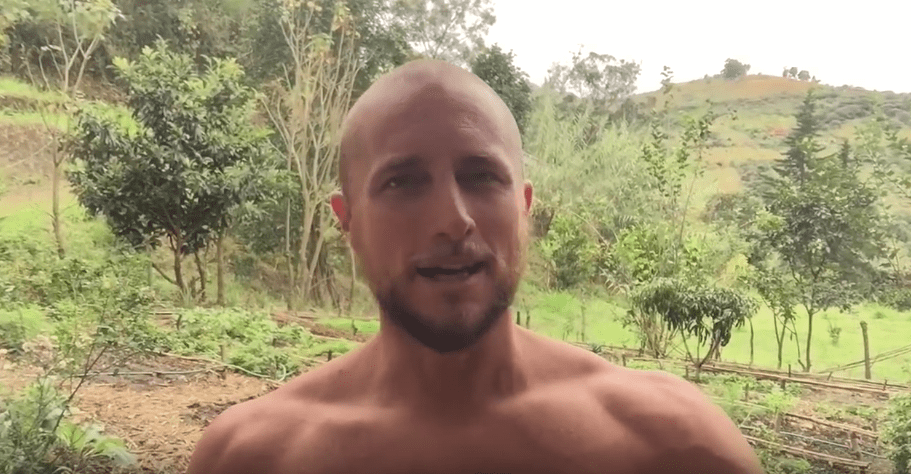
Tristan Haggard is the voice behind the Primal Edge Health podcast. He’s helped thousands find health through nutrient-dense eating, keto, and carnivore diets by focusing on real food, simple habits, and a holistic approach to wellness. He’s also into homesteading and raising his family with a back-to-basics lifestyle.
Connect with Tristan on X.
Episode Highlights
Intermittent fasting is often marketed as a shortcut. Eat less often, burn more fat, fix your metabolism. Tristan explains why that promise leaves out critical context. Fasting can be a useful tool, but it is not always a good fit. Skipping food in the morning can work against your internal clock, keep cortisol elevated for hours, and throw off hunger and energy regulation, especially if you are already stressed.
A recurring pattern shows up in coaching conversations. Many women who feel stalled are skipping breakfast, under-eating protein, and running on coffee until the afternoon. Instead of steady energy or fat loss, they hit crashes, intense hunger, and feel worse after their first meal. In these cases, pushing food later creates friction rather than progress.
The episode also breaks down why morning light, cortisol, and meal timing are connected. Eating earlier can help bring stress hormones down, stabilize blood sugar, and make appetite easier to manage throughout the day. This is especially relevant for people with disrupted sleep, high stress, thyroid issues, or autoimmune conditions.
In this episode:
- Why context matters more than rigid rules
- Why skipping breakfast can elevate stress hormones
- How meal timing affects circadian rhythm and metabolism
- Who tends to struggle most with intermittent fasting
- The role of protein and sufficient intake on keto
Got questions? Drop a comment or reach out! We’d love to hear what you think or help you figure out your next step.




Please subscribe and give a 5-star rating on your preferred podcast platform!



Meet Our Sponsor
This episode is brought to you by CHOQ. Choq is our first choice for natural supplements to positively impact energy, mood, and stress resilience throughout the day. Shop now and use our code BIG53LIFE for 53% off all subscriptions for life!

Disclaimer: These statements have not been evaluated by the Food and Drug Administration. The contents of this podcast are for informational purposes only and do not constitute medical advice. The content presented here is not intended to be a substitute for professional medical advice, diagnosis or treatment. Always seek the advice of a qualified healthcare provider with any questions you may have regarding a medical condition or dietary changes. Reliance on any information provided by this article is solely at your own risk.